




Different Types of Electric Vehicles
Different Types of Electric Vehicles
More and more, there is a growing fascination with electric and electrified vehicles as more cost-effective and sustainable transportation. Acronyms such as BEV, PHEV, HEV, and FCEV are often mentioned as prominent powertrain options and “alternative fuels” to alleviate the financial burden of operating vehicles and mitigate the detrimental emissions associated with conventional internal combustion engines (ICE). However, it is essential to understand the meanings of these acronyms, their respective advantages and disadvantages, and which option best aligns with individual needs.
HEV or Hybrid Electric Vehicle
Electrified hybrids utilize regenerative braking to recharge a small battery, which can power the vehicle in specific low-speed scenarios or support the internal combustion engine (ICE) for fuel efficiency. HEVs, as an electrified hybrid, combine an ICE with an electric motor and battery. The electric motor assists the engine during acceleration and deceleration, reducing fuel consumption.
PHEV or Plug-in Hybrid Electric Vehicles
Plug-in Hybrid Electric Vehicles share similarities with HEVs as they feature an internal combustion engine and an electric motor/battery system. However, PHEVs come with larger battery packs that can be charged by connecting them to an external power source, such as a charging station or a standard electrical outlet. PHEVs utilize both an ICE engine and a small electric motor. The electric motor can independently propel the vehicle in most driving situations, ensuring emissions-free driving. However, it often collaborates with the engine to optimize fuel efficiency, enhance performance, and enable extended driving range. Notable examples of PHEVs include the Jeep Wrangler 4xe and Chrysler Pacifica PHEV.
BEV or Battery Electric Vehicle
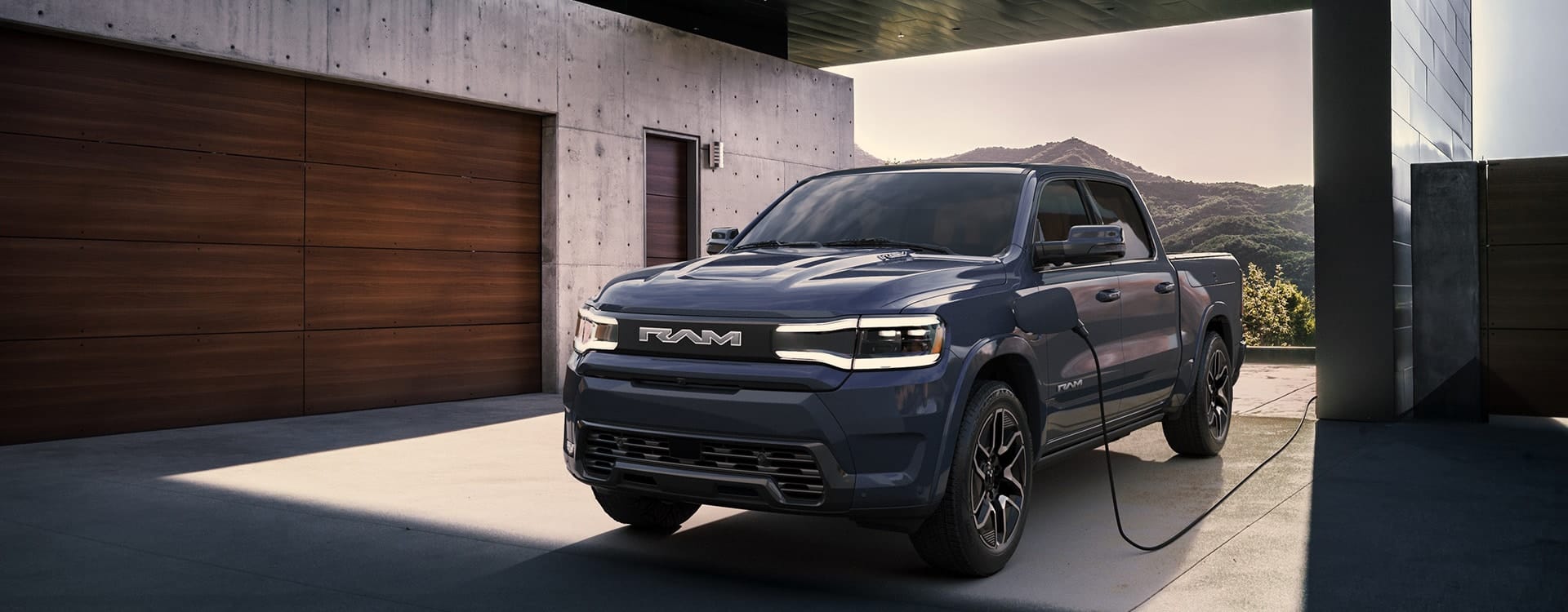
Battery Electric Vehicles are motor vehicles that exclusively utilize a high-density battery as their energy source, resulting in zero tailpipe emissions. Unlike hybrid vehicles, BEVs do not contain an internal combustion engine. Instead, they rely entirely on an electric motor powered by a large battery pack. To recharge the batteries, BEVs must be connected to an external power source, commonly charging stations or home charging units. BEVs offer several advantages, including zero tailpipe emissions, reduced operational costs, and the potential for an extended all-electric driving range. The all-new Ram 1500 REV is an excellent example of a BEV.
Northland Chrysler Dodge Jeep Ram is Sure to Have the Perfect Electric Vehicle for You
If you’re searching for an electric vehicle and have specific requirements or need assistance making a decision, the Northland Chrysler Dodge Jeep Ram team is ready to assist you. We have many new HEV, PHEV, and BEV models to explore. Additionally, we offer great deals on reliable pre-owned electric vehicles. Our professional finance team is dedicated to helping you find competitive financing or lease options that suit your needs. At Northland Chrysler Dodge Jeep Ram, we take pride in providing high-quality vehicles and exceptional services to our valued customers. Visit us today to experience it firsthand, or contact our knowledgeable staff with any inquiries.